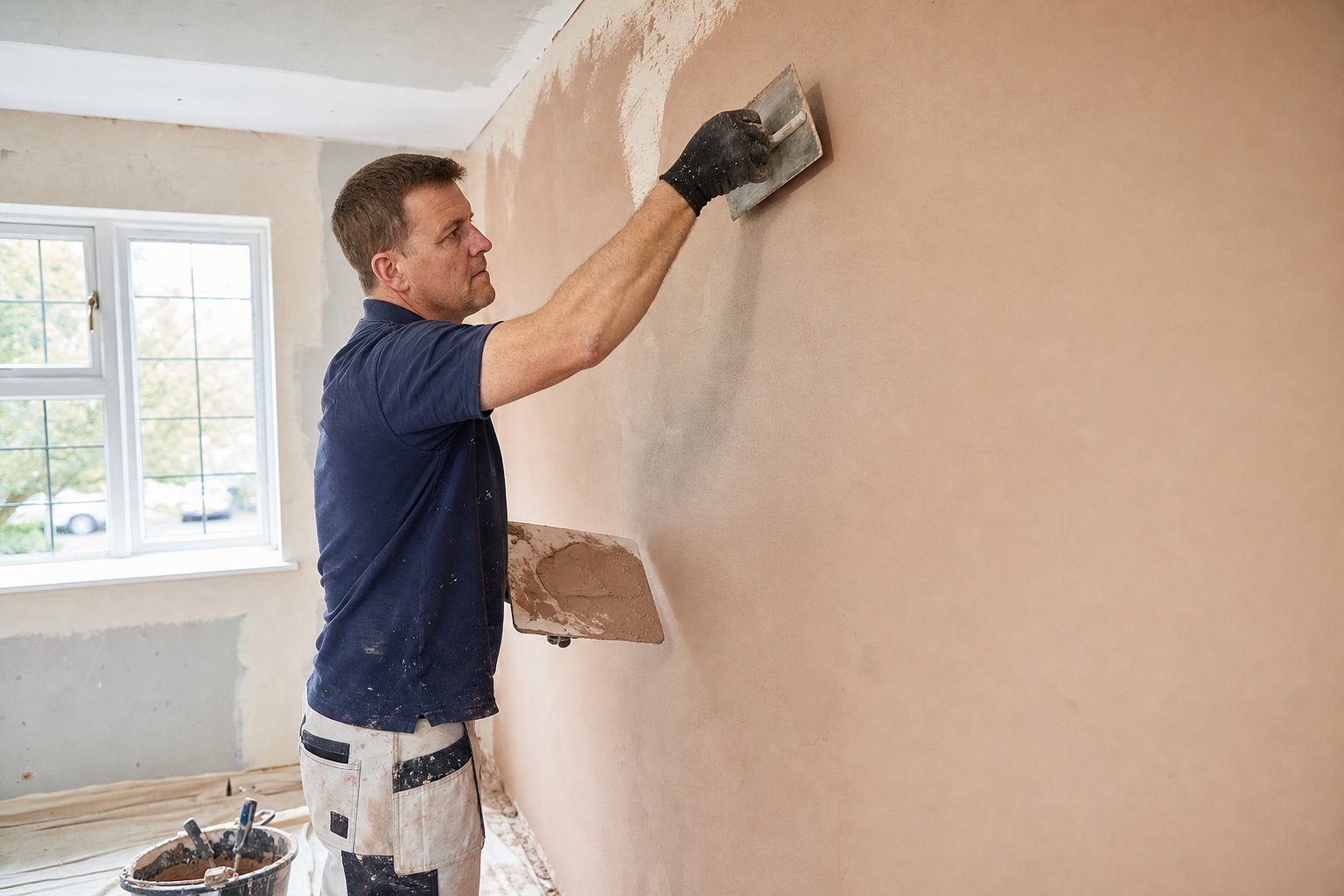
A crisp finish starts long before the skim goes on. For newly qualified plasterers, choosing the right beads and trims is a small decision that makes a big difference to line, durability and snag-free handover.
Match the Bead to the Job
In UK drylining, the common choices are galvanised angle beads, stop beads, thin coat beads, arch beads and movement trims. Galvanised beads are a solid everyday option for internal corners, but they must suit the plaster system and environment. In moisture-prone areas, consider PVC or stainless-steel trims where specified.
For high-traffic areas such as corridors, stairwells and commercial units, prioritise impact resistance. A sharper, straighter corner is useful, but it also needs to survive knocks from tools, trolleys and furniture.
Site Check Before Fixing
Before fitting, check the boardwork is ready. Beads will not hide poor setting out, proud screw heads or uneven board edges.
On-site checklist:
- Boards are secure, flat and correctly fixed
- External corners are plumb and not damaged
- Background is clean, dry and free from dust
- Beads are straight, undented and the correct length
- Trim type matches the finish coat and specification
- Movement joints are carried through where required
Cut beads neatly with snips, not a grinder, unless the product allows it. Dry-fit first, then fix consistently so the nose line stays true.
Fixing for Straight Lines
Use a level or straightedge rather than judging by eye. Small errors show quickly once light hits a finished wall. Avoid overloading beads with adhesive or compound, as this can twist the profile or create a proud edge.
For long runs, keep joints tight and aligned. Where trims meet, take time to create clean junctions. Rushed beadwork often leads to extra sanding, patching or re-skimming later.
Safety Notes for Beads and Trims
Metal trims can be sharp, especially after cutting. Wear suitable gloves and eye protection when handling, cutting and fixing. Keep offcuts in a tub or waste bag rather than leaving them on the floor.
When working overhead or on stairwells, use proper access equipment and maintain three points of contact where needed. Check for electrical services before fixing trims near sockets, partitions or service zones.