DSG gypsum is becoming more familiar across plasterboard manufacture as the industry makes greater use of synthetic gypsum from power station flue-gas desulphurisation. For plastering professionals, the key question is simple: does it behave differently from natural gypsum, and what should you expect on site?
What DSG Gypsum Is
Natural gypsum is mined, cleaned, crushed and calcined before being used in plaster and plasterboard. In the UK, gypsum has traditionally been mined in areas including Sussex, Lincolnshire and Yorkshire .
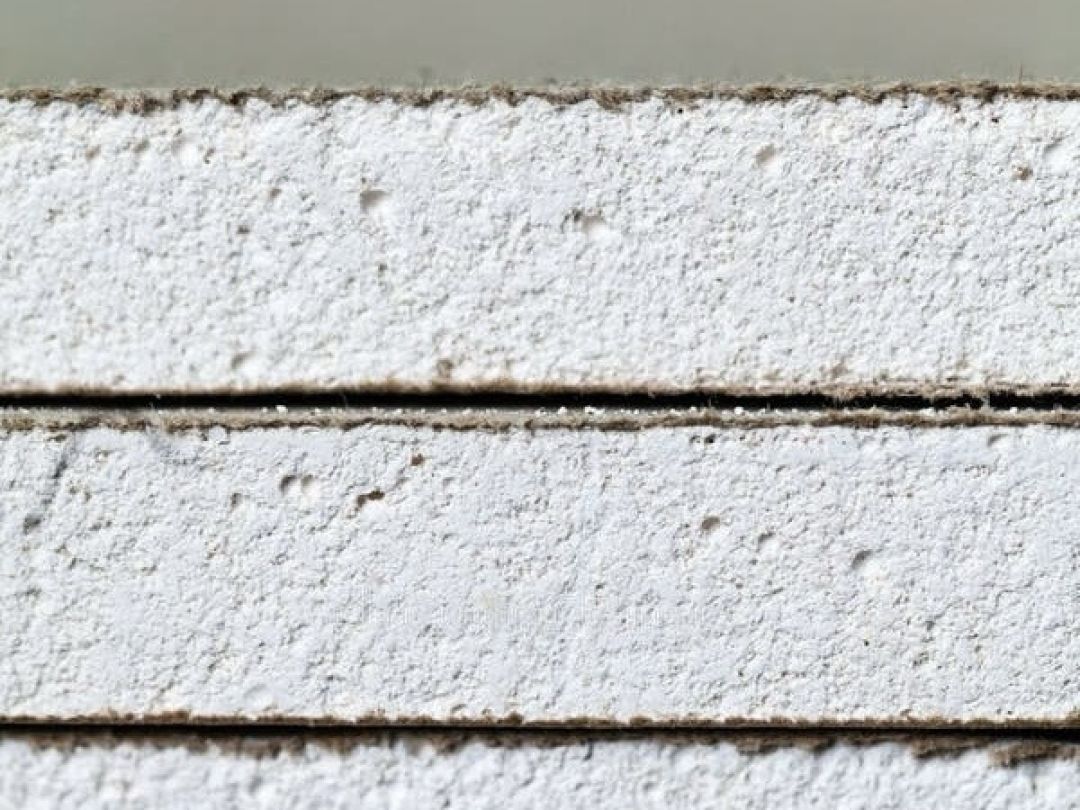
DSG gypsum, also called desulphogypsum, is produced as a by-product of flue-gas desulphurisation, where power station “scrubbers” remove sulphur from waste gases. The resulting gypsum is increasingly used in plasterboard because it is a very pure form of gypsum . That makes it an important technical development for manufacturers and the wider trade.
Colour: DSG vs Natural Gypsum
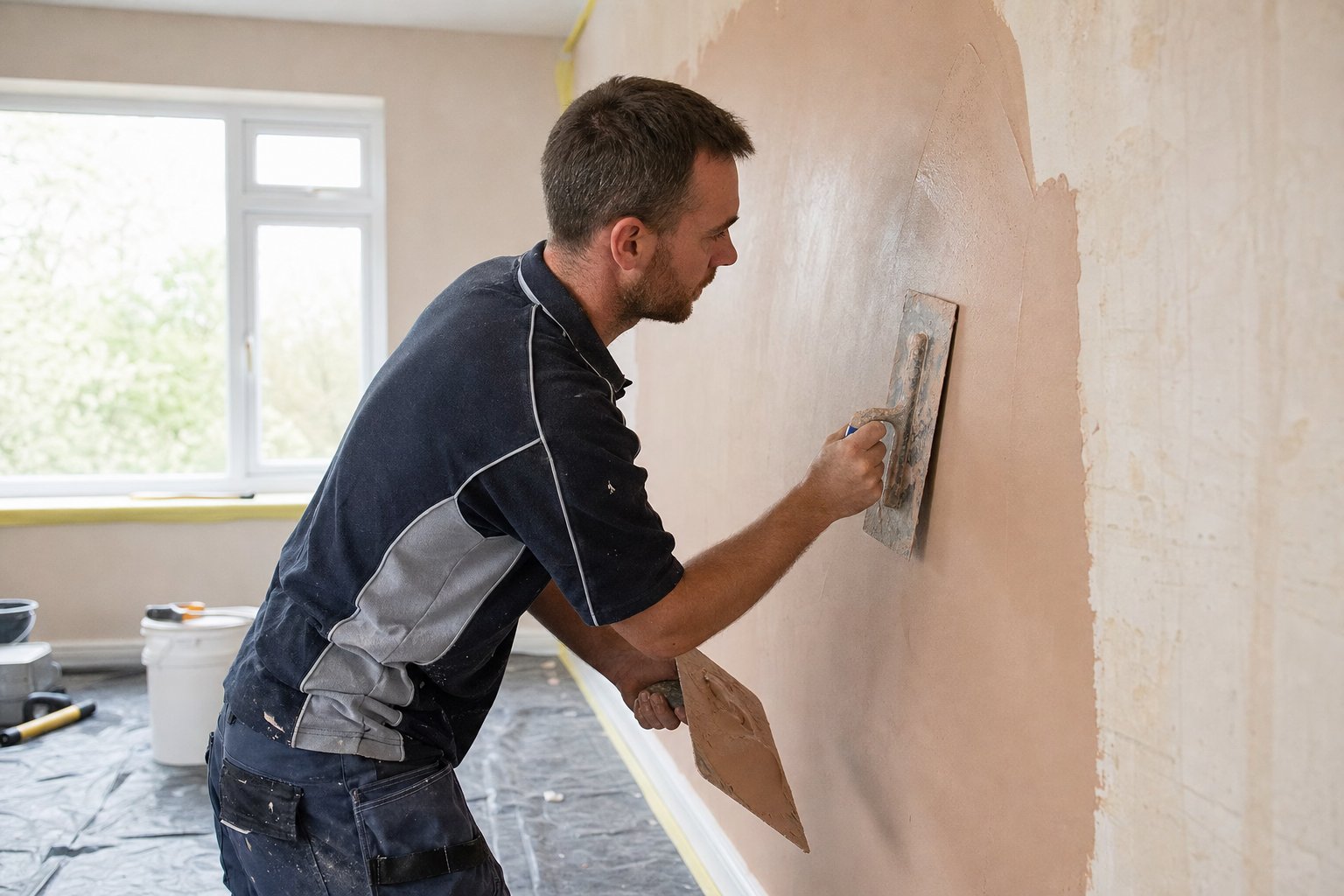
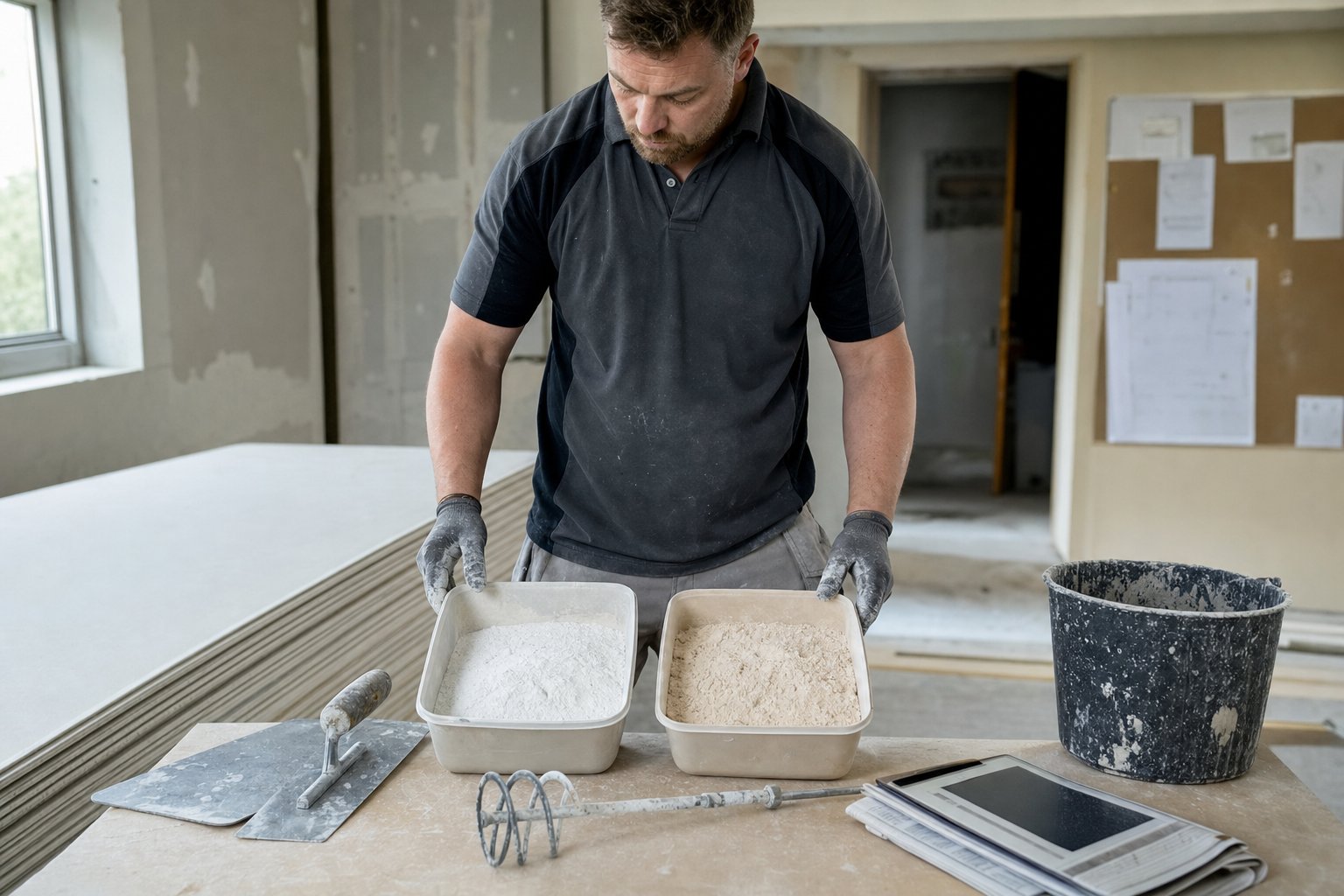
Natural gypsum is described as a white rock, but impurities can turn it grey, brown or pink . In practice, plaster colour can vary by region: Midlands plaster may be pink due to local minerals, while plaster from Cumbria and areas south of the Thames tends to be grey because of clay staining .
DSG gypsum is valued because it is highly pure, so it is generally associated with a cleaner, more consistent white or off-white raw material. However, the final board or plaster colour still depends on the manufacturer’s formulation, facing paper and additives.
Practical Checks on Site
When a product switches between natural and DSG gypsum, do not judge performance by colour alone. Training guidance notes that different plaster colours are not significant where the material is produced to the same standard, even if plasterers feel one colour “works” differently .
Check the product data sheet, confirm the board or plaster type matches the specification, and follow manufacturer mixing, storage and application guidance. For plasterboard, remember that manufacturers produce different board types, colours, sizes and thicknesses for specific applications .
Safety Notes for Handling Gypsum Products
Treat DSG-based and natural gypsum products with the same site discipline. Control dust when cutting, sanding or mixing, use suitable respiratory protection where required, and keep materials dry and correctly stored. Gypsum plasters have high absorption rates and can fail in persistently damp conditions, so avoid applying them to backgrounds affected by untreated rising or penetrating damp .