DSG gypsum, also known as desulphogypsum, is an increasingly important raw material in plasterboard manufacture. For plastering professionals, it is worth understanding because it sits behind many of the boards now specified for dry lining, fire, acoustic and moisture-resisting systems.
What DSG Gypsum Is
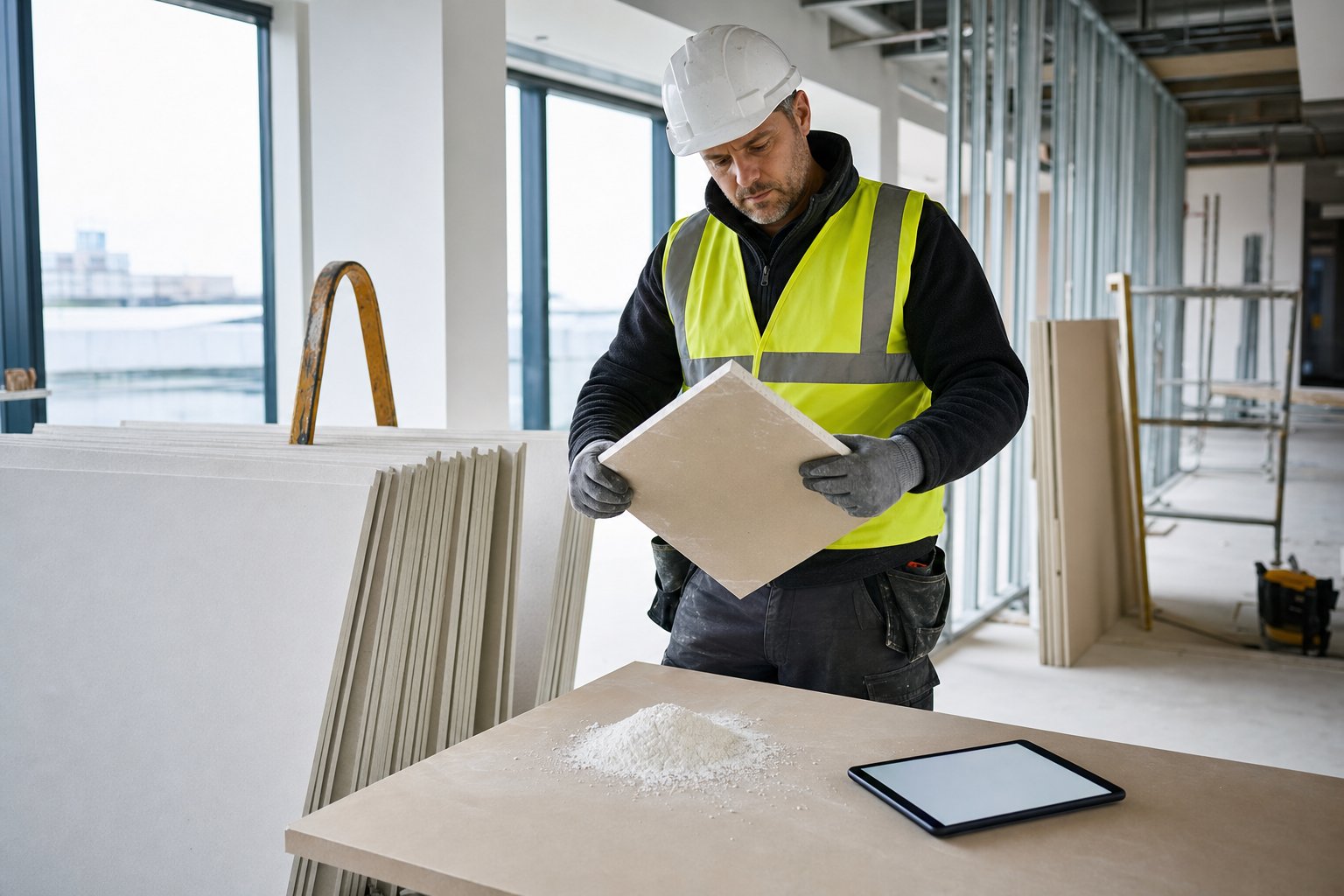
DSG gypsum is synthetic gypsum produced as a by-product of flue-gas desulphurisation at fossil fuel power stations. Scrubbers remove sulphur from waste gases, reducing sulphur dioxide emissions, and the resulting by-product is gypsum. Trade texts note that this DSG is a very pure form of gypsum and is increasingly used in plasterboard manufacture .
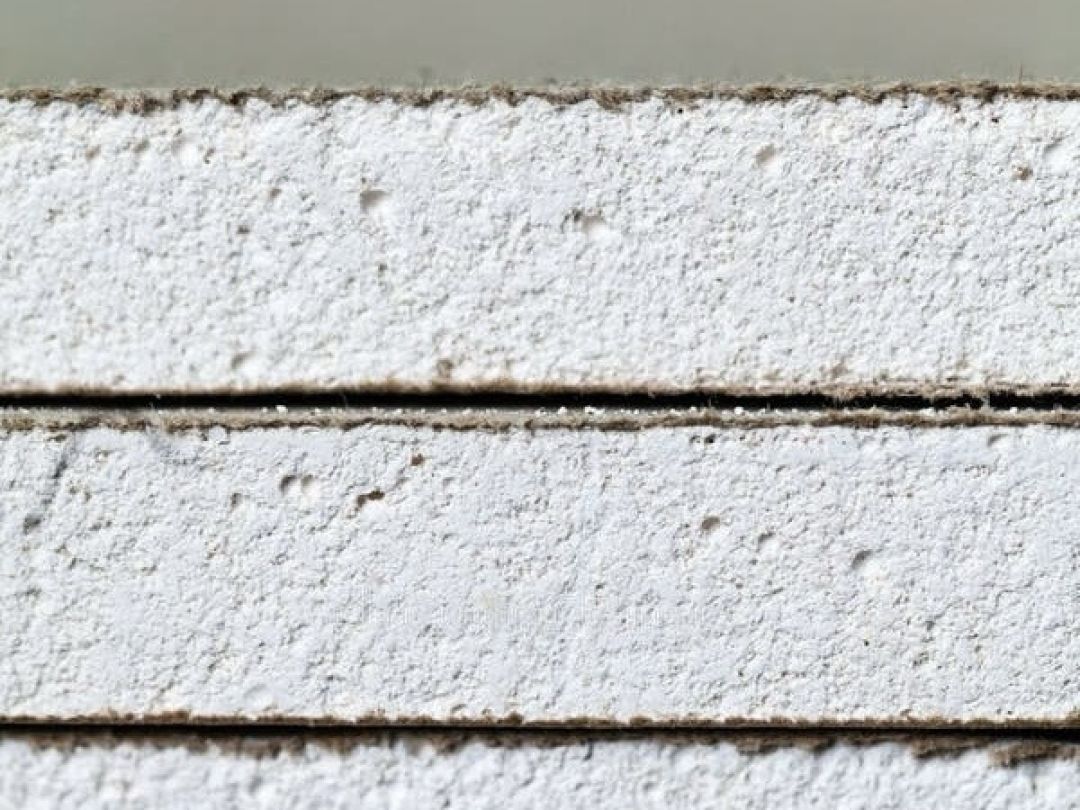
That matters because plasterboard is, at heart, prepared gypsum sandwiched between two layers of specially processed paper . Whether the gypsum is mined or synthetic, manufacturers are looking for consistency, purity and predictable performance.
From DSG to Board
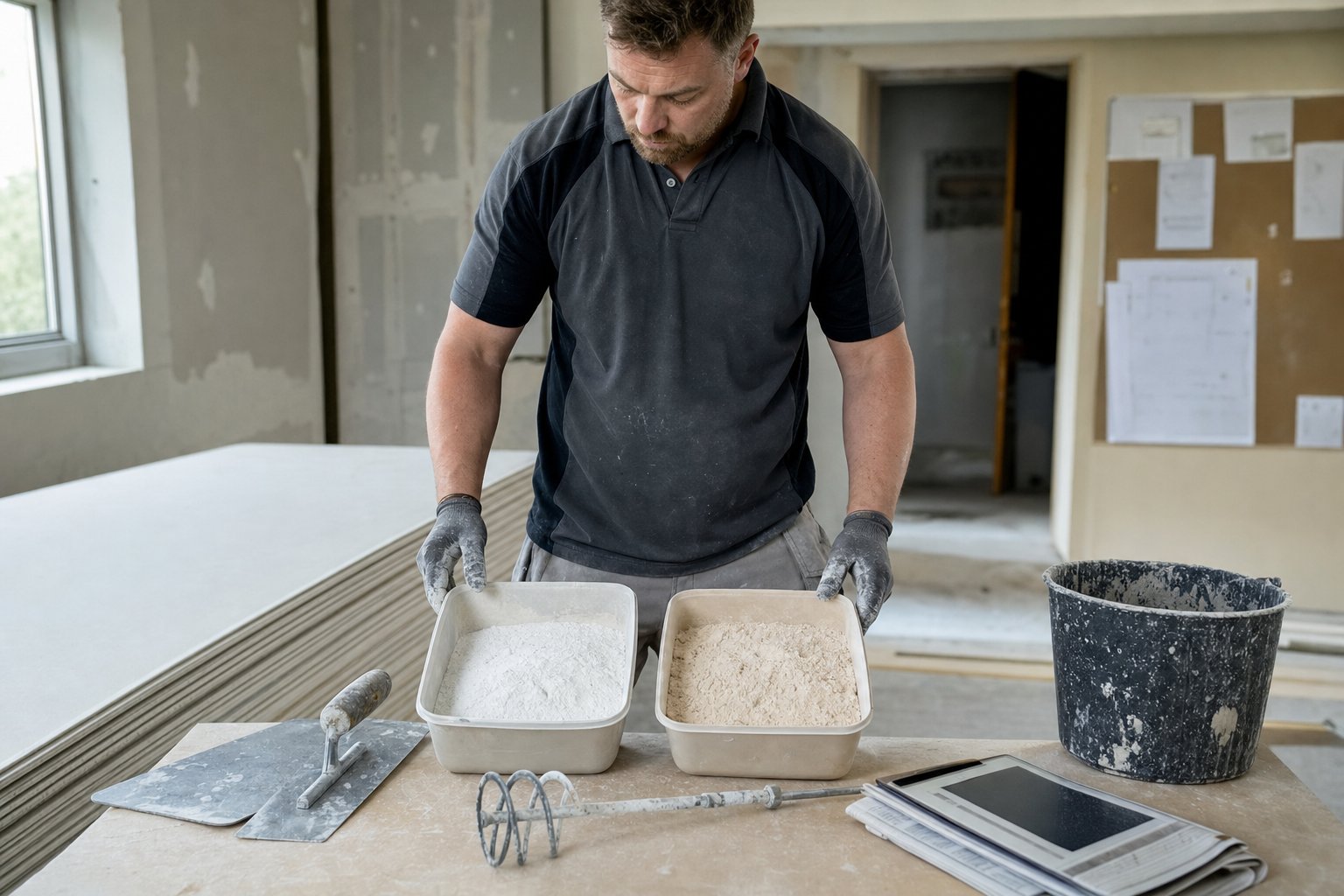
In manufacture, the gypsum is ground to powder and heated at around 150°C. This drives off much of its water and creates hemi-hydrate gypsum plaster, commonly known as plaster of Paris. Water is then added back to form a paste, which is spread between facing papers. As it sets, it effectively returns to gypsum rock inside the board .
For plasterers, the key point is that the process supports the wide range of boards now used on site, including standard, fire-resistant, moisture-resistant, acoustic and insulated composite boards .
Practical Checks on Site
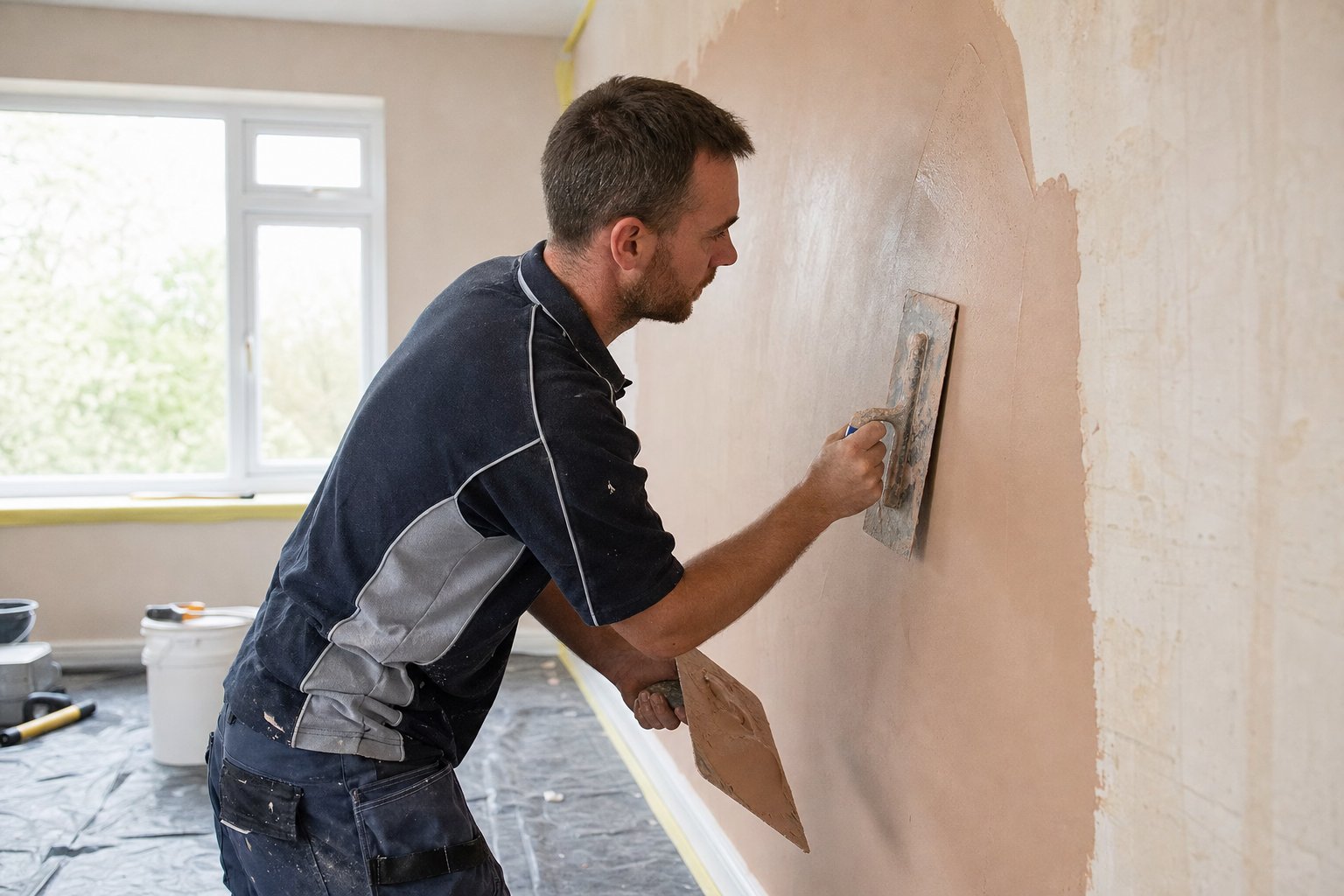
When working with DSG-based plasterboard, treat it as you would any manufacturer’s board system. Check the board type against the specification, especially where Part E acoustic performance, fire resistance or moisture control is involved. Use the correct finish: board finish plaster is specifically applied to plasterboard backgrounds .
During fixing, keep joints staggered where required, follow fixing centres, and avoid overdriving screws, which can lead to popping and weak spots in the finished surface.
Safety Notes for Dry Lining Work
Cutting and fixing plasterboard still creates dust and manual-handling risks, regardless of the gypsum source. Use dust extraction where appropriate and keep others away from the work area with barriers . When boarding ceilings, use proper staging and a plasterboard strut or dead man prop so sheets can be positioned safely before fixing .